What is Car Suspension
Ever wondered why your car suddenly feels unstable, noisy, or uncomfortable on the road? Many drivers ignore suspension issues until they notice poor handling, uneven tyre wear, or strange noises while driving. A failing suspension doesn’t just affect comfort; it directly impacts steering control, braking performance, and overall driving safety.
Understanding car suspension and how it works helps you spot problems early and take timely action. A well-maintained suspension system keeps your tyres firmly on the road, absorbs bumps, and ensures a smooth, stable ride. Regular inspection and proper suspension repair can restore comfort.
What Is a Vehicle Suspension System?
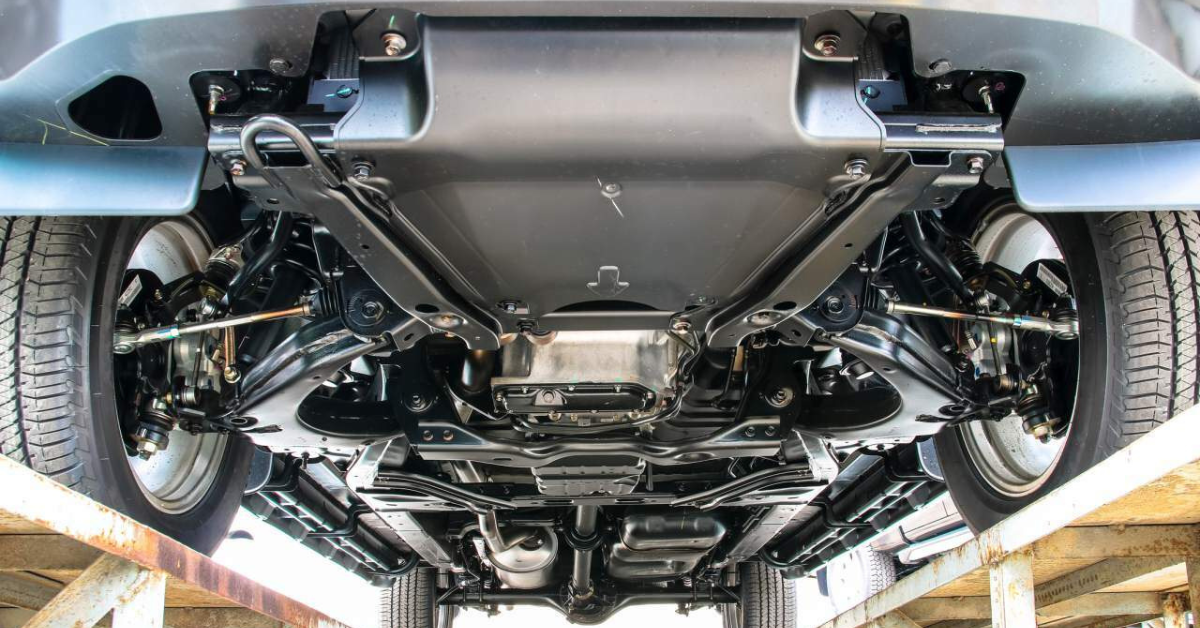
Your vehicle suspension system is the network of components that connects your car’s body to its wheels. It is designed to absorb road shocks, keep the tyres in constant contact with the road, and maintain vehicle stability and control. In simple terms, it’s what allows you to drive comfortably and safely over bumps, potholes, and uneven surfaces.
Car suspension defined
Car suspension refers to the combination of springs, shock absorbers (dampers), struts, control arms, and suspension bushes that support the vehicle’s weight while reducing vibrations caused by the road. A well-functioning suspension system ensures proper handling, braking efficiency, and ride comfort.
What is the suspension in a car?
The suspension in a car acts as a buffer between the road and the cabin. Without it, every bump would directly transfer force into the vehicle’s frame, causing discomfort, poor steering response, and increased wear on other components like tyres, brakes, and wheel bearings.
How Car Suspension Works
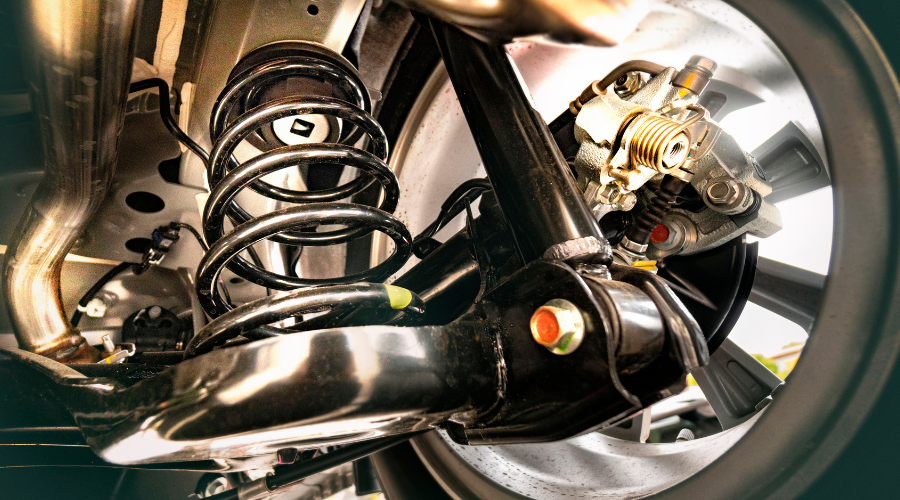
Understanding how car suspension works helps explain why it plays such a critical role in both safety and performance. Every time your wheels hit a bump, the suspension system manages the energy created by that impact.
How does a car suspension work
When a car moves over an uneven surface, the springs compress to absorb the initial shock. At the same time, shock absorbers (dampers) control the rebound, preventing excessive bouncing. This process keeps the vehicle stable and ensures continuous road grip and steering control.
How the suspension system works
All suspension system parts work together:
- Springs absorb vertical movement
- Dampers regulate motion and stability
- Control arms and suspension bushes maintain wheel alignment
- Anti-roll bars reduce body roll during cornering
This coordination allows the vehicle to remain balanced while driving, braking, or turning at speed.
Importance of Car Suspension for Vehicle Safety and Comfort
The importance of car suspension goes far beyond ride comfort. It directly impacts how safely your vehicle responds in real-world driving conditions.
Importance of car suspension
A properly working suspension system:
- Maintains tyre contact with the road
- Improves braking performance
- Enhances steering precision
- Reduces uneven tyre wear
- Protects vital components from excessive stress
Without a healthy suspension, even advanced safety systems cannot perform effectively.
Why car suspensions are crucial for your car
Car suspensions are crucial for your car because they influence almost every aspect of driving, from stability on highways to control on sharp turns. A worn or damaged suspension can lead to suspension noise while driving, poor handling, longer stopping distances, and increased risk of accidents. From a safety, comfort, and durability standpoint, maintaining your suspension system is not optional; it’s essential.
Car Suspension Parts List (Suspension System Parts)
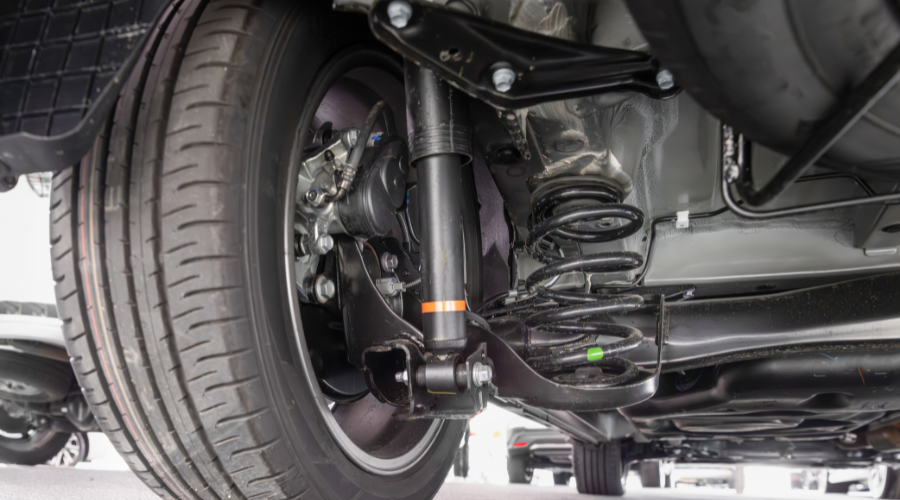
A car suspension parts list helps drivers identify issues early and maintain long-term vehicle performance. Each component in the suspension system works together to ensure stability, comfort, and safe handling on different road conditions.
Car struts and springs
Car struts and springs support the vehicle’s weight and absorb major impacts from the road. Springs control ride height and load, while struts combine structural support with damping, especially in modern front suspension designs.
Shock absorbers (dampers)
Shock absorbers (dampers) regulate how fast the suspension moves after hitting a bump. They prevent excessive bouncing, improve tyre grip, and play a major role in braking stability and cornering control.
Control arms
Control arms connect the wheels to the vehicle’s chassis and allow controlled vertical movement. They help maintain proper wheel alignment, which directly affects steering precision and tyre wear.
Anti-roll bars (sway bars)
Anti-roll bars, also known as sway bars, reduce body roll during cornering. By distributing force evenly across both sides of the vehicle, they improve handling and driver confidence at higher speeds.
Car suspension bushes
Car suspension bushes are flexible rubber or polyurethane components placed between metal parts. A suspension bush on a car reduces vibration, absorbs road noise, and allows smooth movement of suspension joints without metal-to-metal contact.
Wheel bearings
Wheel bearings allow the wheels to rotate smoothly while supporting the vehicle’s weight. Worn bearings can cause humming noises, steering instability, and uneven tyre wear if not addressed early.
Types of Car Suspension Systems
There are several types of car suspension systems, each designed for specific driving needs, performance levels, and vehicle types. Understanding them helps explain ride quality differences across vehicles. The most common suspension systems used today include MacPherson strut, double wishbone, multi-link, and rigid axle suspension, with air suspension found in premium and luxury vehicles.
MacPherson Strut Suspension
The MacPherson strut suspension is widely used in modern cars, especially for front suspension. Its compact design combines a spring and shock absorber into one unit, offering reliability, low cost, and efficient space usage.
Double Wishbone Suspension
Double wishbone suspension uses two control arms per wheel, providing superior handling and stability. It’s commonly found in high-performance and luxury vehicles where precise cornering control is essential.
Multi-Link Suspension
The multi-link suspension system allows each wheel to move independently using multiple arms. This design delivers excellent ride comfort, better road grip, and improved handling, often used in rear suspension setups.
Rigid Axle Suspension
Rigid axle suspension links both wheels on the same axle, making it extremely durable. It is commonly used in trucks, SUVs, and commercial vehicles where load-carrying strength is a priority.
Air Suspension
Air suspension uses air-filled springs instead of traditional coils, allowing adjustable ride height and superior comfort. Cars with air suspension are typically luxury sedans, premium SUVs, and high-end performance vehicles.
Front Suspension vs Rear Suspension System in Cars
Both the front and rear suspension systems serve different purposes but must work together to ensure balanced handling and comfort.
Front suspension issues
The front suspension manages steering, braking, and most of the vehicle’s weight. Common front suspension issues include clunking noises, poor steering response, and uneven tyre wear, often caused by worn struts, control arms, or suspension bushes.
Rear suspension system in cars
The rear suspension system in cars focuses on ride comfort, stability, and load support. Faulty rear suspension components can lead to excessive bouncing, poor traction, and reduced overall driving comfort, especially noticeable on uneven roads.
Signs of Car Suspension Problems
Common vehicle suspension problems include excessive bouncing, the car pulling to one side, nose-diving during braking, or a noticeably rough ride. These symptoms often indicate worn shock absorbers, struts, control arms, or suspension bushes.
Suspension noise while driving
Hearing clunking, knocking, or squeaking sounds, especially when driving over bumps or turning, is a sign of suspension noise while driving. This is commonly caused by damaged suspension bushes, loose components, or failing anti-roll bars and should be inspected promptly.
What is a car suspension problem?
A car suspension problem occurs when one or more suspension system parts fail to absorb or control road impact properly. Left unaddressed, these issues can reduce tyre contact with the road and compromise braking and steering stability.
Effects of Car Suspension
When a suspension system is worn or damaged, its effects go beyond discomfort. A bad suspension directly impacts multiple safety-critical vehicle systems.
Uneven tyre wear
One of the earliest signs of suspension failure is uneven tyre wear. Misaligned wheels caused by worn control arms or bushes can reduce tyre lifespan and increase the risk of blowouts.
Poor handling and braking
A failing suspension leads to poor handling and braking, especially during emergency stops or sharp turns. Reduced road grip increases stopping distance and makes the vehicle harder to control.
Steering instability
Worn suspension components can cause steering instability, making the car feel loose or unpredictable. This is particularly dangerous at high speeds or on uneven roads.
Reduced ride comfort
A damaged suspension system results in reduced ride comfort, causing passengers to feel every bump and vibration. Over time, this also accelerates wear on other vehicle components.
Car Suspension Problems and Solutions
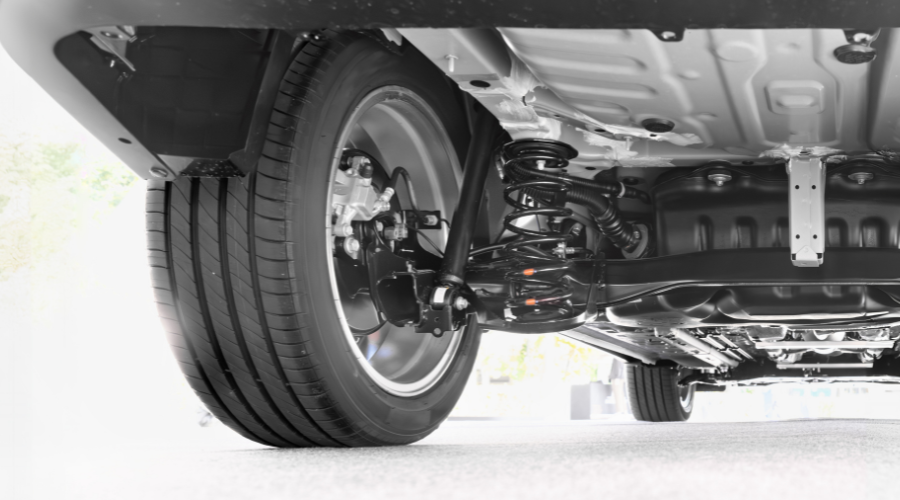
Addressing car suspension problems and solutions early improves safety, reduces repair costs, and extends vehicle lifespan. Most suspension issues are gradual and manageable with proper care.
Common suspension failures
Common failures include worn shock absorbers, broken coil springs, damaged suspension bushes, leaking struts, and loose control arms. These issues often develop due to poor road conditions, high mileage, or a lack of regular inspection.
Practical fixes and maintenance tips
- Replace worn struts and shock absorbers to restore stability
- Inspect and change suspension bushes to eliminate noise and vibration
- Maintain proper wheel alignment to prevent uneven tyre wear
- Schedule regular suspension inspections, especially after pothole impacts
Routine maintenance ensures your suspension system continues to deliver safe handling, reliable braking, and long-term comfort.
What Is Car Suspension Repair and When Is It Needed?
Car suspension repair focuses on fixing or replacing worn suspension system parts that affect safety, handling, and comfort. Because suspension components wear gradually, many drivers don’t notice a problem until the vehicle’s performance is clearly affected. It involves diagnosing and correcting faults in elements such as shock absorbers (dampers), struts, springs, control arms, suspension bushes, and anti-roll bars.
What is included in suspension & shock absorbers service
A professional suspension & shock absorbers service typically includes:
- Inspection of struts, shocks, and coil springs
- Checking suspension bushes and control arms for wear
- Assessing wheel alignment and tyre condition
- Road testing for ride comfort and steering stability
This service ensures the suspension system restores proper road grip, braking efficiency, and ride control. If you’re experiencing suspension noise while driving, poor handling, or uneven tyre wear, it’s time to let the experts take over. Contact Batton Wheels, we specialize in complete car suspension inspection.
How Long Does a Car Suspension Last
There is no fixed lifespan for suspension components, but understanding typical wear patterns helps with preventive maintenance.
Factors affecting suspension lifespan
The lifespan of a car suspension depends on:
- Road conditions and frequency of pothole impact
- Driving style and load carrying
- Vehicle type (SUVs and commercial vehicles experience more stress)
- Maintenance history and inspection intervals
On average, major suspension components last between 40,000 and 80,000 km, though early failure is possible under harsh conditions.
Can You Drive a Car with a Broken Suspension
Driving with a broken suspension is unsafe and can lead to serious mechanical damage.
Safety risks and damage implications
A broken suspension can cause steering instability, longer braking distances, and reduced tyre contact with the road. It may also damage tyres, wheel bearings, brakes, and alignment angles, increasing the risk of accidents. Driving should be avoided until repairs are completed.
How Suspension Affects Other Car Parts
The suspension system does not operate in isolation; its condition directly impacts other critical vehicle systems.
Tyres, brakes, steering, and alignment
A worn suspension leads to uneven tyre wear, reduced braking performance, and poor steering response. It can also throw off wheel alignment, accelerating wear on tyres and steering components. Maintaining a healthy suspension system protects the entire vehicle and ensures consistent driving performance.
How to Improve Suspension on a Car
Improving your suspension isn’t only about comfort; it directly enhances handling, braking stability, and tyre grip. Small upgrades and timely maintenance can significantly extend the life of your car’s suspension system and improve overall driving performance.
Upgrading shocks and struts
Replacing worn shock absorbers (dampers) and car struts and springs is one of the most effective ways to restore ride quality. New shocks reduce excessive bouncing, improve cornering control, and help maintain consistent road contact, especially during braking and turns.
Suspension alignment and bush replacement
Proper suspension alignment ensures the wheels remain correctly positioned, preventing uneven tyre wear and steering pull. Replacing worn car suspension bushes also reduces vibration and eliminates suspension noise while driving, restoring smooth movement between suspension components.
How to lower the car suspension
Lowering a car’s suspension can improve handling and aesthetics, but it must be done carefully. Using quality lowering springs or adjustable suspension kits helps maintain correct wheel alignment and suspension geometry. Poorly executed lowering can negatively affect ride comfort, tyre wear, and braking safety.
Wheel Alignment Angles and Suspension Geometry
Wheel alignment plays a critical role in how the suspension system performs. Correct suspension geometry ensures predictable handling, even tyre wear, and stable steering.
Wheel camber
Wheel camber refers to the inward or outward tilt of the wheels. Incorrect camber reduces tyre contact with the road, leading to premature tyre wear and compromised handling.
Toe angle
The toe angle determines whether the wheels point inward or outward when viewed from above. Incorrect toe settings can cause steering instability and rapid tyre wear.
Caster angle
The caster angle affects steering balance and straight-line stability. A proper caster helps the steering wheel return smoothly to center after turns and improves overall control.
How Often Should You Service Your Car’s Suspension?
Regular inspections help detect suspension issues before they impact safety or lead to expensive repairs.
Inspection intervals and warning signs
A suspension check is recommended every 12 months or 40,000–50,000 km, or sooner if you notice suspension noise while driving, poor handling, excessive bouncing, or uneven tyre wear. Early servicing ensures continued comfort, safety, and long-term reliability of your suspension system.
FAQs
A suspension bush is a rubber or polyurethane component that cushions joints between suspension parts. It fails over time due to road vibrations, heat, moisture, and wear, leading to noise, vibration, and loose handling.
Yes, worn suspension components can reduce fuel efficiency by causing poor wheel alignment, increased rolling resistance, and uneven tyre contact with the road.
Absolutely. A damaged suspension reduces tyre grip, which can increase braking distance, especially during emergency stops or on wet roads.
Suspension repair cost varies depending on the damaged part. Replacing suspension bushes or shock absorbers is usually affordable, while advanced systems like air suspension can be more expensive if neglected.
Yes. A worn suspension can cause vehicle vibration at high speeds, often due to failing shocks, bent control arms, or poor suspension alignment.
Yes, wheel alignment is closely linked to suspension health and is often checked or adjusted during a suspension inspection to ensure proper handling and tyre life.
In most cases, shocks and struts should be replaced in pairs (front or rear) to maintain balanced handling and consistent ride quality.
Repeated impacts from potholes can damage shocks, struts, suspension bushes, and control arms, significantly reducing suspension lifespan.
While suspension problems don’t usually trigger dashboard lights, advanced vehicles with adaptive or air suspension systems may display suspension warning messages.