How To Remove Car Dent
A dent on your car can instantly ruin its appearance, whether it’s a door ding from a parking lot, a shopping trolley hit, or a small impact you didn’t even notice at first. Beyond looks, dents can lower resale value, invite rust, and leave you wondering whether fixing it will cost a fortune.
Not every dent requires a trip to the body shop. Let’s learn how to remove car dents safely using proven DIY car dent removal methods, when paintless dent removal works best, and when professional car dent repair is the smarter choice. This helps you save money while protecting your vehicle’s finish and value.
What Causes Dents in Cars?
Car dents are often unavoidable, even if you drive carefully. Below are the most common, real-world causes of dents you’ll see on car doors, bonnets, and bumpers.
Parking Lot Accidents and Door Dings
Parking lots are one of the biggest culprits behind small dents and door dings. Tight spaces and careless door openings often result in car door dents, especially on side panels. These are usually shallow and ideal for removing small dents from a car using DIY methods.
Tree Branches, Hail, and Weather Damage
Low-hanging branches, falling limbs, hailstorms, and strong winds can cause dents on the car bonnet and roof. Weather-related dents are often spread out and shallow, making them suitable for removing car dents without painting techniques like heat-based methods or paintless dent removal.
Road Debris and Flying Stones
Gravel, stones, and debris kicked up by other vehicles can hit your car at speed. These impacts commonly affect the bonnet, fenders, and bumpers. Depending on the depth, you may need the best tools for car dent repair or professional help for proper car scratch and dent repair.
Minor Collisions and Low-Speed Impacts
Even low-speed bumps in traffic can leave visible dents on panels, bumpers, or doors. While these may look serious, many can still be fixed using a step-by-step guide to remove car dents, especially if the paint isn’t damaged.
Shopping Trolleys and Pedestrian Damage
Loose shopping carts and accidental bumps from pedestrians are a common cause of dents in parking areas. These usually create small dents that are perfect candidates for DIY car dent removal using suction or dent puller kits.
Animal-Related Dents on Parked Cars
Animals such as cats or dogs jumping onto parked vehicles can leave dents, particularly on thin metal panels. These dents are often cosmetic and can be handled with auto dent fixing tips at home if addressed early.
Types of Car Dents You Can Fix

Not all dents are the same. Knowing the type of car dent helps you choose the right method for how to fix a dent in a car safely and effectively.
Small Dents vs Deep or Creased Dents
Small dents without sharp edges are the easiest to fix and ideal for DIY car dent removal. Deep or creased dents, however, usually stretch the metal and often require professional car dent repair or paintless dent removal tools.
Car Door Dents, Bonnet Dents, and Bumper Dents
- Car door dents are common and often easy to access from behind.
- Bonnet dents may need careful heat application due to the thin metal.
- Bumper dents, especially plastic ones, are often the easiest.
Metal Body Dents vs Plastic Bumper Dents
Metal body dents usually need controlled force or pulling tools, while plastic bumper dents respond well to heat-based methods. Knowing the surface type is key to remove car dent without painting and avoiding further damage.
How to Fix a Dent in a Car: DIY Methods That Work
If the damage is minor and the paint isn’t cracked, DIY car dent removal can be a safe and cost-effective solution. The methods below focus on practical, proven techniques used by both professionals and experienced DIYers to remove car dents without painting.
How to Remove Small Dents From Car Panels
Small dents on flat panels are the easiest to fix at home. These dents usually respond well to suction or gentle pressure, making them ideal for beginners to fix a dent in a car without specialized tools.
How to Fix a Dent in a Car Door Without Painting
Car door dents are common and often accessible from behind. If the paint is intact, you can use suction or controlled pushing techniques to restore the panel, one of the most effective ways to remove a car dent without painting.
How to Remove a Dent From a Car Bonnet Safely
Bonnet dents require extra care because the metal is thinner. Applying controlled heat and gradual pressure helps prevent overstretching the panel, making this a key area for cautious DIY car dent removal.
How to Remove a Dent from a Car Bumper (Plastic vs Metal)
Plastic bumpers are flexible and respond well to heat-based methods, while metal bumpers need pulling or pushing techniques. Knowing the material is essential for proper car dent repair and avoiding further damage.
Remove Car Dent Without Painting Using Heat and Suction
Heat softens the surface, while suction pulls the dent outward. This combination is widely used in paintless dent removal and is one of the safest methods for cosmetic dents.
Can You Fix a Dent in a Car at Home?
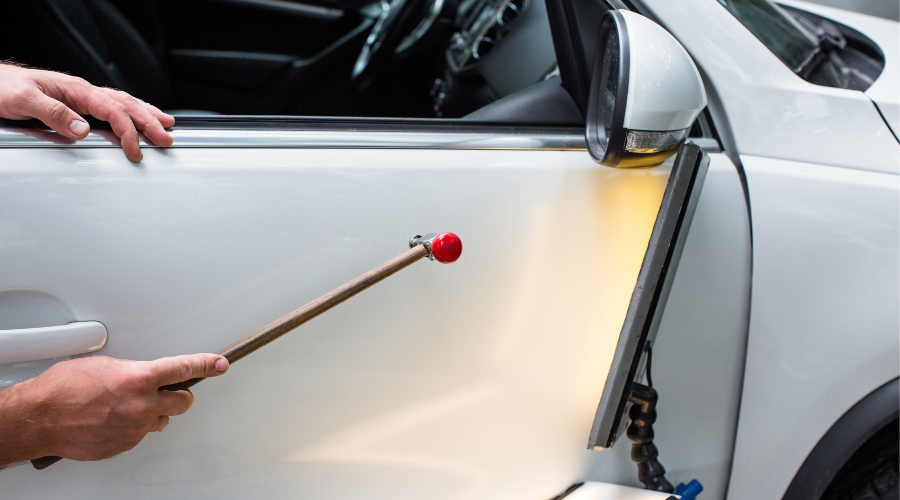
Yes, in many cases, you can fix a dent in a car at home, especially when the damage is minor and the paint is intact. Modern DIY car dent removal methods and tools make it possible to restore your car’s appearance without expensive body shop visits. However, knowing when DIY works and when it doesn’t is essential for safe and effective car dent repair.
When DIY Car Dent Removal Works
DIY dent repair is effective when dealing with small dents, shallow door dings, or minor impacts where the paint hasn’t cracked. These situations are ideal for learning how to remove small dents from car panels using suction, heat, or basic pulling techniques. Remove car dent without painting is often achievable here, especially with paintless dent removal methods.
When Professional Car Dent Repair Is Required
Professional help is needed if the dent is deep, creased, or located on a structural panel. Damage involving chipped paint, stretched metal, or safety components usually requires expert car scratch and dent repair or bodywork. In these cases, professional paintless dent removal (PDR) or repainting ensures long-term durability and preserves resale value.
Best Tools for Car Dent Repair
Using the right tools makes a major difference in how to fix a dent in a car safely. Below are the most effective and commonly used tools for both beginners and experienced DIYers.
Plungers and Suction Cup Dent Pullers
Plungers and suction cup pullers are best for small dents on flat surfaces like doors and bonnets. They’re beginner-friendly and commonly used in DIY car dent removal for quick fixes without paint damage.
Dent Puller Kits and Slide Hammers
Dent puller kits and slide hammers provide more pulling power and precision. These tools are useful to fix a dent in a car door or tackle slightly deeper dents that suction alone can’t remove.
Hairdryer, Compressed Air, and Heat Tools
Heat-based tools work by expanding and contracting metal or plastic. This method is especially effective for removing dents from car bumpers and other plastic panels, making it a popular way to remove car dents without a painting solution.
Hot Glue, Wooden Dowels, and Repair Kits
Hot glue dent pulling is a controlled way to reshape metal without harming paint. Combined with wooden dowels or a full repair kit, this method is often used to remove car dents and works well for moderate damage.
Step-by-Step Guide to Remove Car Dents at Home
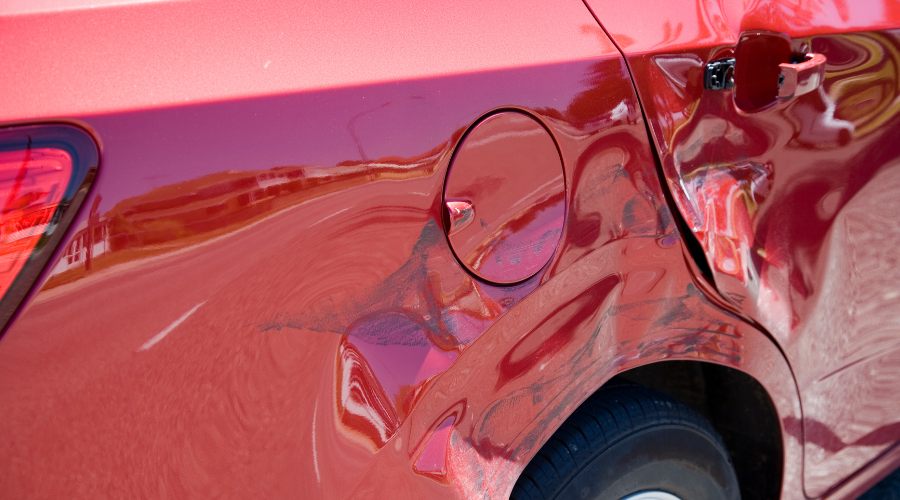
Below is a practical, step-by-step guide to removing car dents using tools and techniques trusted in real-world repairs.
Push-From-Behind Dent Removal Method
If you can access the back of the dent, gently pushing it outward is often the cleanest fix. This method works best for shallow dents and is commonly used in professional car dent repair.
Plunger and Vacuum Suction Technique
A plunger or vacuum suction tool creates pressure that pulls the dent outward. This is a go-to solution to remove small dents from car doors and flat body panels.
Hairdryer and Compressed Air Expansion Method
Heating the dent expands the surface, while compressed air cools it rapidly, causing contraction. This method is highly effective for plastic panels and is popular in auto dent fixing tips.
Dry Ice Dent Removal Technique
Dry ice rapidly cools the dented area, forcing the metal to contract. When done carefully, it’s an effective DIY car dent removal method, especially for shallow dents.
Hot Glue Dent Pulling Method
Hot glue tabs allow controlled pulling without damaging paint. This technique is widely used in car scratch and dent repair and works well on medium-depth dents.
Using a Dent Repair Kit Correctly
Dent repair kits combine multiple tools for controlled pulling and shaping. When used properly, they offer professional-level results and are among the best tools for car dent repair at home.
DIY Car Dent Removal: Small vs Large Dents
Not all dents should be treated the same. Knowing the difference between small dents and large or deep dents helps you choose the safest and most effective car dent repair method, whether that’s DIY car dent removal or professional help.
How to Repair a Small Dent Safely
Small dents with no sharp creases and intact paint are ideal for DIY repair. Techniques like suction, gentle pushing, or heat-based methods work well for removing small dents from car panels. These approaches often allow you to remove car dents without painting, especially on doors, bonnets, and bumpers.
How to Repair a Large or Deep Dent
Large or deep dents usually involve stretched metal or paint damage. While basic tools can reduce the appearance, complete repair often requires professional car scratch and dent repair or paintless dent removal tools. Attempting aggressive DIY fixes on deep dents can make the damage worse.
Common Mistakes to Avoid During Auto Dent Fixing
Even with the right tools, mistakes can lead to permanent damage. Avoiding these errors is crucial to fixing a dent in a car at home.
Overheating the Panel
Applying too much heat can warp metal or blister paint. Controlled heat is effective, but overheating defeats the purpose of removing a car dent without painting techniques.
Using Excessive Force
Pulling or pushing too hard can stretch the metal and turn a simple dent into a costly repair. Gentle, gradual pressure is key to successful DIY car dent removal.
Damaging Paint or Body Panels
Scratching or cracking the paint exposes metal to rust and corrosion. Once paint is damaged, professional car dent repair becomes necessary to restore the finish.
How Professionals Fix Car Dents
When DIY isn’t enough, professionals use advanced tools and proven techniques to restore the car’s original shape and finish safely.
Paintless Dent Removal (PDR)
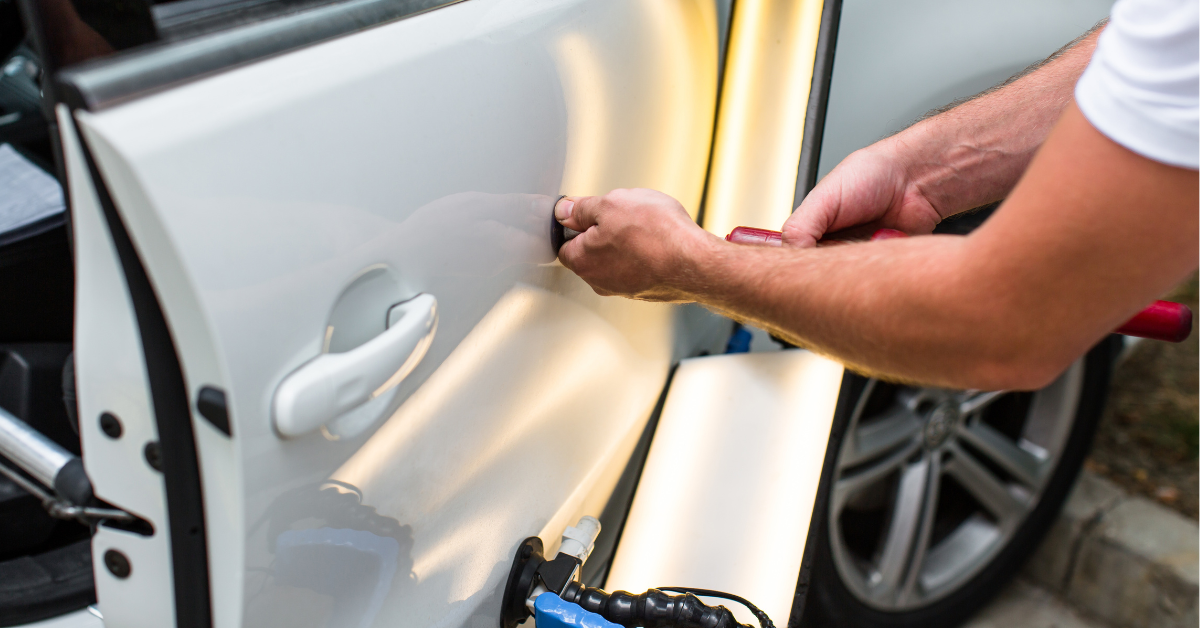
Paintless dent removal (PDR) reshapes the metal from behind the panel without repainting. It’s ideal for dents where the paint is intact and is one of the most cost-effective professional solutions.
Car Scratch and Dent Repair With Filling & Painting
If the paint is damaged, technicians use fillers, sanding, and repainting to restore the surface. This method is common for deep dents that can’t be fixed using the remove car dent without painting techniques.
Panel Replacement in Severe Dent Cases
For extreme damage or compromised structural panels, replacing the panel is sometimes the safest option. This ensures proper alignment, safety, and long-term durability, especially after collisions.
How Much Does Professional Car Dent Repair Cost?
The cost of professional car dent repair depends on the dent’s size, depth, location, and whether the paint is damaged. Understanding pricing helps you decide whether DIY car dent removal is enough or if professional repair offers better long-term value.
Cost of Paintless Dent Removal
Paintless dent removal (PDR) is usually the most affordable professional option. For small to medium dents with intact paint, PDR costs less because it avoids fillers and repainting. It’s a popular choice for those looking to remove a car dent without painting while preserving the original factory finish.
Auto Body Shop Dent Repair Pricing
When paint is cracked or the metal is severely deformed, auto body shops use fillers, sanding, and repainting. This type of car scratch and dent repair costs more due to labor and materials. Deep dents, bonnet damage, or structural issues can significantly increase the price.
DIY vs Professional Repair Cost Comparison
DIY car dent removal is cost-effective for small dents, often requiring only basic tools. However, professional car dent repair offers precision, durability, and resale protection, especially for visible panels like doors and bonnets. Choosing the wrong approach can lead to higher repair costs later.
If your dent is deep, creased, or you want a flawless finish. Contact Battonwheels Services today for a quick inspection and expert solution that protects your car’s value and appearance.
Are Car Dents Worth Fixing?
Even minor dents shouldn’t be ignored. Addressing them early protects both your car’s appearance and long-term value.
Preventing Rust and Corrosion
Dents can crack paint and expose metal to moisture, leading to rust. Timely car dent repair prevents corrosion and reduces the risk of costly body damage in the future.
Maintaining Vehicle Resale Value
A dent-free exterior makes a strong first impression. Cars with visible dents often sell for less, while proper paintless dent removal helps maintain resale value without altering the original paint.
Safety and Structural Integrity Benefits
Some dents weaken body panels and reduce impact protection. Professional inspection ensures your car maintains its structural integrity, especially after collisions, even when the damage looks minor.
Conclusion
Car dents may seem minor, but ignoring them can lead to bigger problems over time. Whether you’re dealing with small door dings or more noticeable damage, understanding how to remove a car dent correctly helps you make the right decision between DIY fixes and professional repair.
For shallow dents with intact paint, DIY car dent removal can be effective and budget-friendly. However, deeper or creased dents are best handled by experts to avoid paint damage and structural issues. Fixing dents early not only improves appearance but also preserves safety, resale value, and long-term durability.
FAQs
Yes. Untreated dents can weaken paint, allow moisture in, and lead to rust or corrosion, especially on metal panels.
PDR is safe for most modern vehicles, but it works best when the paint is intact, and the metal hasn’t stretched.
Minor DIY dent repair usually doesn’t affect insurance. Professional repairs may be claimed depending on your policy and damage severity.
It’s best to fix dents as soon as possible to prevent rust, paint cracking, and higher repair costs later.
Yes. Most dent pullers, suction cups, and repair kits can be reused for future dents, making them cost-effective.