How to Charge a Car Battery
A dead car battery never happens at a good time. Whether you’re rushing to work, stuck in bad weather, or parked far from help, a drained battery can instantly disrupt your day and leave you feeling helpless, especially if you’re unsure what to do next.
Learning how to charge a car battery doesn’t require advanced mechanical skills. With the right tools, basic safety steps, and a clear process, you can recharge a weak or dead battery safely and get back on the road without unnecessary stress or damage to your vehicle.
If you prefer professional help or need fast, reliable assistance, BattonWheels offers convenient car battery charging services. Instead of guessing or risking improper charging, you can rely on their expert service to handle car battery charging safely and efficiently, especially when time or tools are limited.
What Does a Car Battery Do?
Your car battery is the heart of your vehicle’s electrical system. It stores energy and delivers it when your car needs it most.
How Car Batteries Work
Most vehicles use a 12-volt lead-acid battery that converts chemical energy into electrical energy. This power starts the engine, runs the lights, and supports onboard electronics when the engine is off. Over time, factors like cold weather, short drives, and age can reduce the battery’s ability to hold a charge, leading to a weak or dead car battery.
Role of the Alternator and Electrical System
Once the engine is running, the alternator takes over. It powers the vehicle’s electrical system and recharges the battery as you drive. However, if the alternator is faulty or the battery is severely discharged, driving alone may not be enough; this is when you need to recharge a car battery using a charger.
When Do You Need to Charge a Car Battery?
Before you start learning how to charge a car battery, having the right tools and equipment is essential. Using proper gear not only makes the process easier but also ensures battery charging safety and protects your vehicle’s electrical system.
Battery Charger (Smart, Trickle, or Solar)
A reliable car battery charger is the most important tool.
- A smart battery charger automatically adjusts voltage and amperage, reducing the risk of overcharging a car battery.
- A trickle charger delivers a slow, steady charge and is ideal for maintaining a 12-volt car battery overnight.
- A solar battery charger works well for off-grid or long-term storage situations.
Choose a charger compatible with your battery type, such as lead-acid or AGM batteries, to avoid damage.
Safety Gear and Basic Tools
Charging a car battery involves electricity and chemicals, so basic protection matters. Keep these items ready:
- Safety gloves and safety goggles to protect against battery acid
- Battery clamps and clean cables for secure connections
- A multimeter to check battery voltage before and after charging
- A clean cloth or battery terminal cleaner to remove corrosion
Safety Precautions Before Charging a Car Battery
Car batteries can release flammable gases and contain corrosive acid, which makes safety a top priority. Following simple precautions helps you charge your battery safely and confidently.
Battery Charging Safety Tips
- Always turn off the vehicle and unplug the charger before making connections
- Charge the battery in a well-ventilated area, away from sparks or open flames
- Connect the positive terminal first, then the negative terminal
- Never use a damaged charger or charge a visibly cracked battery
These steps reduce the risk of short circuits and electrical damage.
Handling Battery Acid, Corrosion, and Sparks
Battery acid can cause burns, and corrosion on terminals can interfere with charging. If you see white or bluish buildup, clean it carefully using a brush and a baking soda–water solution. Avoid touching acid with bare hands, and stop immediately if you smell sulfur or notice excessive heat; these can signal dangerous hydrogen gas buildup.
How to Charge a Car Battery With a Charger (Step-By-Step)
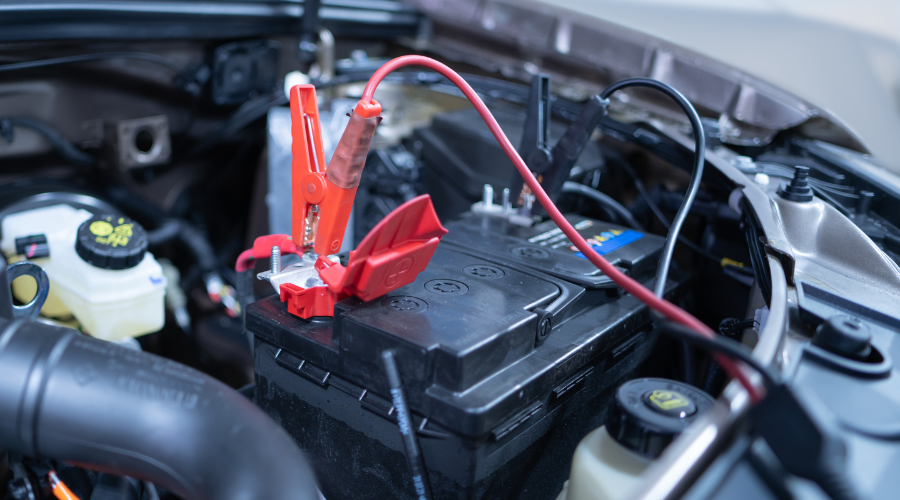
Using a car battery charger is the safest and most reliable way to fully recharge a dead or weak car battery. The steps below follow standard automotive best practices and help prevent damage to the 12-volt battery and electrical system.
Step 1: Locate the Battery and Identify Terminals
Most car batteries are found under the hood, though some vehicles place them in the trunk or under a seat. Look for the positive terminal (+) and negative terminal (–). If they’re covered or hard to find, check your owner’s manual to avoid guesswork.
Step 2: Turn Off the Charger and Vehicle
Before making any connections, ensure the engine is off and the battery charger is unplugged. This prevents sparks and reduces the risk of short circuits, especially important if there’s any battery corrosion or gas present.
Step 3: Connect the Battery Charger Correctly
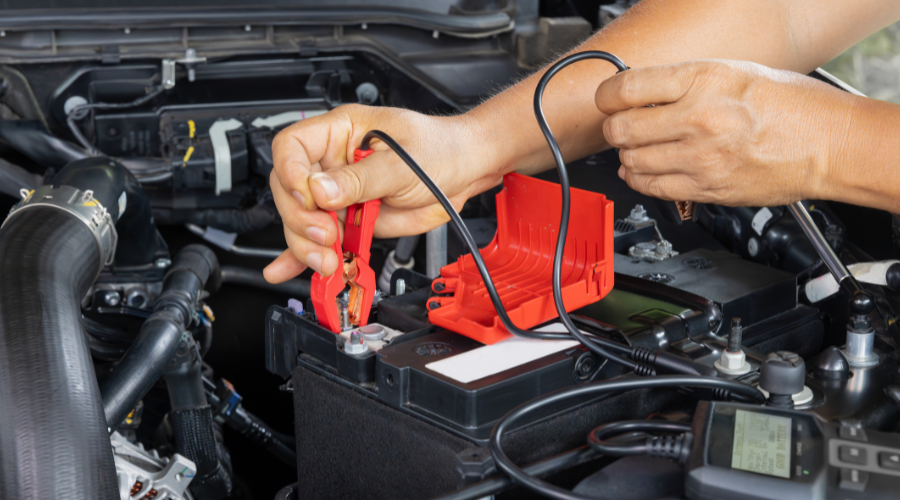
Attach the charger’s red clamp to the positive terminal, then connect the black clamp to the negative terminal or a solid metal part of the chassis. Make sure the clamps are tight and not touching each other. Correct connections protect both the charger and the battery.
Step 4: Set the Charging Rate and Start Charging
Turn on the charger and select the appropriate setting. A low-amp or trickle charge is gentler on lead-acid and AGM batteries and helps extend battery life. Higher amperage charges faster but can create excess heat if used too long.
Step 5: Monitor the Charging Process
Keep an eye on the charger indicators. Many smart battery chargers automatically stop when the battery is full, while manual chargers require periodic checks. If the battery becomes hot or emits a strong odor, stop charging immediately.
Step 6: Disconnect the Charger Safely
Once fully charged, turn off and unplug the charger. Remove the negative clamp first, followed by the positive clamp. This order reduces the chance of sparks and electrical damage.
How to Charge a Car Battery Without a Charger
If you don’t have access to a charger, a jump-start using another car can provide temporary power. This method won’t fully recharge the battery, but it can get you moving.
Charging a Car Battery Using Another Car
Park the working vehicle close enough for jumper cables to reach both batteries. Turn off both engines and all electronics before connecting the cables.
Proper Jumper Cable Connection Order
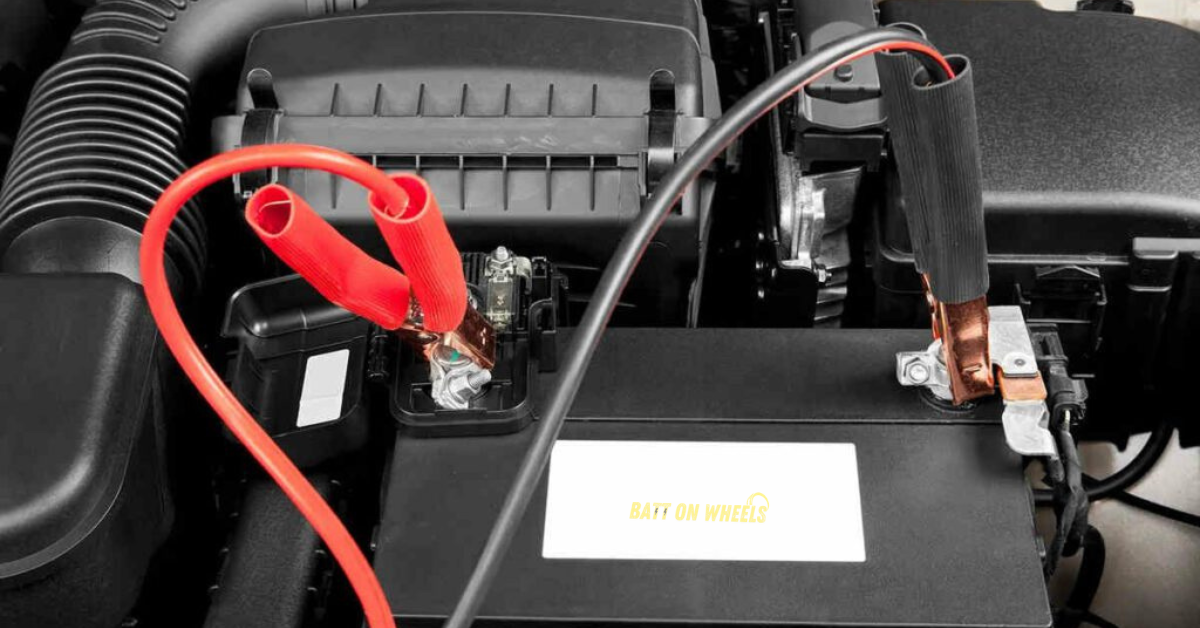
- Connect the red cable to the positive terminal of the dead battery
- Connect the other red end to the positive terminal of the good battery
- Attach the black cable to the negative terminal of the good battery
- Connect the final black clamp to an unpainted metal surface on the dead vehicle
Start the working car first, then the vehicle with the dead battery. After a few minutes, disconnect the cables in reverse order. Drive for at least 15–20 minutes so the alternator can continue charging the battery.
How Long Does It Take to Charge a Car Battery
One of the most common questions people ask when learning how to charge a car battery is how long the process actually takes. The answer depends on the battery’s condition, the charging amperage, and the type of car battery charger you’re using.
Charging Time by Amperage
Charging speed is directly tied to the charger’s output.
- Low-amperage (1–3 amps) or trickle chargers are slow but gentle, often taking 8–24 hours for a full charge.
- Medium amperage (6–10 amps) chargers usually recharge a battery in 3–6 hours.
- High-amperage chargers can charge faster but may generate excess heat, which can shorten the life of a 12-volt lead-acid battery if overused.
For battery health and safety, a slower charge is usually the best option.
Charging a Dead Car Battery vs. a Weak Battery
A dead car battery, one that can’t start the engine at all, needs more time, often an overnight charge at low amperage. A weak car battery, where the engine cranks slowly but still starts, may only need a few hours. Rushing a deeply discharged battery increases the risk of internal damage and reduced lifespan.
How to Tell If a Car Battery Is Fully Charged
Knowing when to stop charging is just as important as knowing how long to charge. Overcharging can damage the battery and the vehicle’s electrical system.
Voltage Levels Explained
A fully charged car battery voltage typically reads around 12.6 volts when the engine is off.
- 12.4 volts indicates a partially charged battery
- Below 12.2 volts usually means the battery needs charging
Using a multimeter is the most accurate way to confirm the charge level.
Charger Indicators and Warning Signs
Most smart battery chargers have indicator lights or digital displays that show when charging is complete. If your charger shuts off automatically, the battery is likely full. Warning signs like excessive heat, a sulfur smell, or unusual noises mean you should stop charging immediately; these can indicate overcharging or battery failure.
Best Practices to Maintain Car Battery Health
Once you understand how to charge a car battery, proper maintenance helps prevent future breakdowns and extends battery life. Small habits can make a big difference in keeping your car battery reliable year-round.
Trickle Charging and Battery Maintenance
Using a trickle charger or battery maintainer is ideal if your vehicle sits unused for long periods. These devices deliver a slow, controlled charge that keeps the 12-volt battery topped up without stressing it. Regularly check battery terminals for dirt or looseness, and keep them clean to ensure consistent electrical flow.
Preventing Overcharging and Corrosion
Overcharging a car battery can cause overheating, fluid loss, and internal damage. A smart battery charger helps prevent this by shutting off automatically when charging is complete. To reduce battery corrosion, clean the terminals periodically and ensure the connections are tight. Corrosion restricts current flow and makes charging less effective.
When Should You Replace Instead of Recharge
Not all battery problems can be fixed by charging. Knowing when to replace a battery saves time and prevents unexpected failures.
Signs Your Car Battery Needs Replacement
You may need a new battery if you notice:
- Frequent need for jump-starts
- The battery won’t hold a charge
- Slow cranking even after charging
- Visible swelling, leaks, or heavy corrosion
- A strong sulfur or “rotten egg” smell
These signs indicate internal damage that charging can’t fix.
Battery Lifespan and Performance Factors
Most lead-acid car batteries last 3–5 years, depending on driving habits, climate, and maintenance. Extreme temperatures, short trips, and a failing alternator can shorten battery life. If your battery is near the end of its lifespan, replacement is often the safer option.
Charging a Car Battery Safely and Correctly
Knowing how to charge a car battery safely and correctly can save you time, money, and frustration. From understanding charging times to recognizing when replacement is the better option, proper battery care keeps your vehicle dependable. And when DIY isn’t practical, trusted services like BattonWheels ensure your battery charging is handled professionally, giving you peace of mind and keeping you moving without delay.
FAQs
Charging a dead car battery usually takes 6–24 hours, depending on the charger’s amperage and the battery’s condition. Low-amp chargers take longer but are safer for battery health.
Yes, you can charge a car battery overnight only if you’re using a smart or trickle charger that automatically stops or reduces power when the battery is fully charged.
Always connect the positive (+) terminal first, followed by the negative (–) terminal. This reduces the risk of sparks and electrical short circuits.
Yes, the alternator recharges the battery while driving, but it may not fully recharge a deeply discharged battery.
Yes, it’s safe to charge a car battery at home if you use the correct charger, follow safety precautions, and charge it in a well-ventilated area.t.
A dead battery should be charged slowly using a low-amp charger or trickle charger to avoid damage.
If the battery won’t hold a charge, needs frequent jump-starts, or is over 4–5 years old, replacement is recommended.