How to change car engine oil
Changing car engine oil is one of the most frequently searched car maintenance topics. Dirty or old engine oil can quietly damage your vehicle, reduce fuel efficiency, and lead to costly repairs if left unaddressed. Many drivers delay oil changes simply because they’re unsure when to do it, what oil to use, or whether they’re doing more harm than good.
Changing car engine oil doesn’t have to be complicated. With the right knowledge, tools, and safety precautions, you can either do it yourself or confidently choose a professional service. Understanding the oil change process helps you protect your engine, avoid unnecessary wear, and keep your car running smoothly for years.
If you prefer expert help instead of DIY, BattonWheels offers professional oil change services through their trusted service page. Their experienced technicians ensure the correct oil, filter, and service standards are used, saving you time while giving your engine the care it needs.
How to Change Car Engine Oil Step by Step

Changing car engine oil at home is a straightforward process when done carefully and in the correct order. Following these steps helps protect your engine, prevents oil leaks, and ensures long-term performance.
Step 1: Lift the Car and Locate the Oil Drain Plug
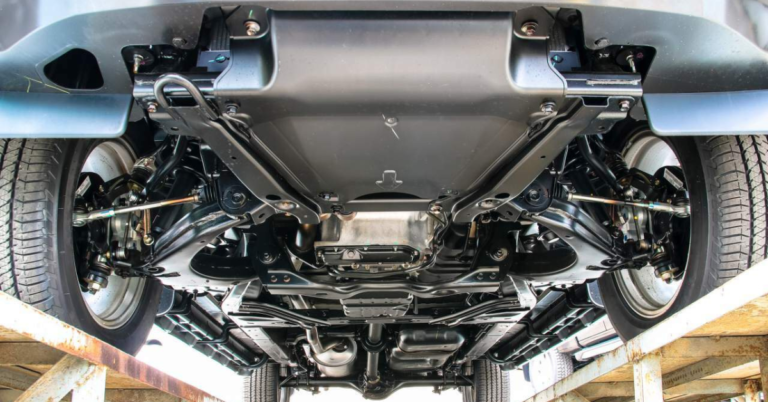
Park the car on a level surface, engage the parking brake, and allow the engine to cool. Use car ramps or a jack and jack stands to safely lift the front of the vehicle. Once underneath, locate the oil pan and the oil drain plug, usually positioned at the lowest point of the engine.
Step 2: Drain the Old Engine Oil Safely
Place an oil drain pan directly under the drain plug. Using a socket wrench, carefully loosen the plug and remove it by hand. Allow the old engine oil to drain completely; this may take several minutes. Properly draining old oil helps remove contaminants and sludge from the engine.
Step 3: Remove and Replace the Oil Filter
Locate the oil filter, which is typically mounted near the engine block. Use an oil filter wrench if needed to loosen it. Before installing the new filter, ensure the old rubber gasket is removed. Lightly coat the new filter’s gasket with fresh engine oil, then install it hand-tight to ensure a proper seal.
Step 4: Reinstall the Drain Plug Correctly
Once the oil has fully drained, reinstall the drain plug and tighten it securely, but avoid overtightening, as this can damage the oil pan threads. If your vehicle uses a washer or gasket, replace it as recommended by the manufacturer.
Step 5: Refill the Engine with New Oil
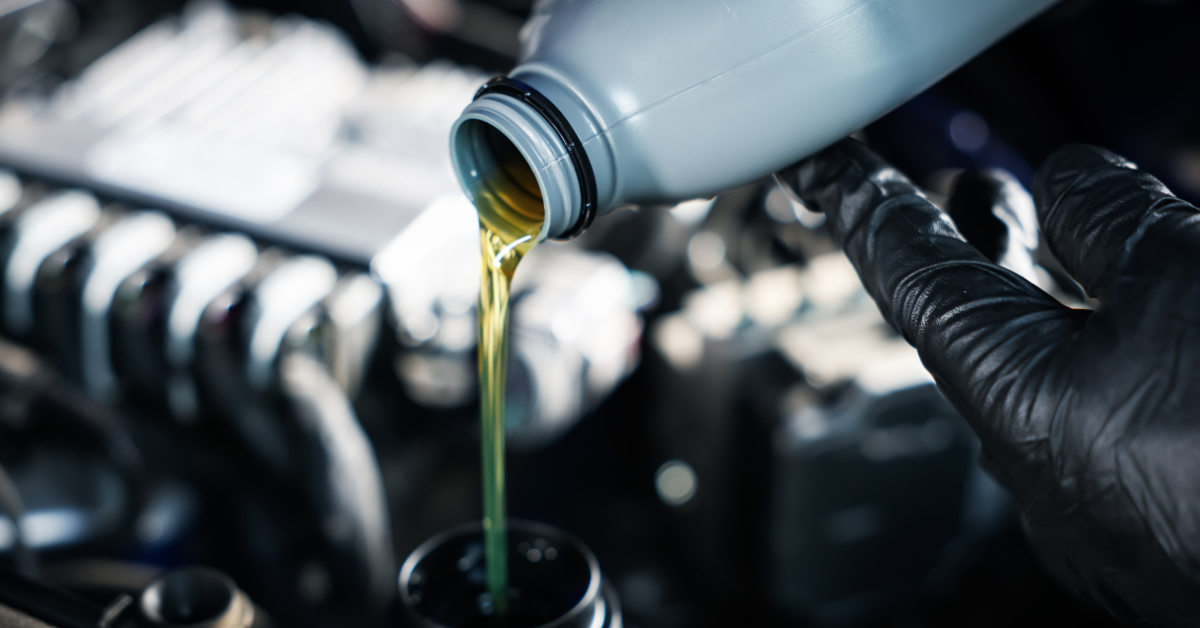
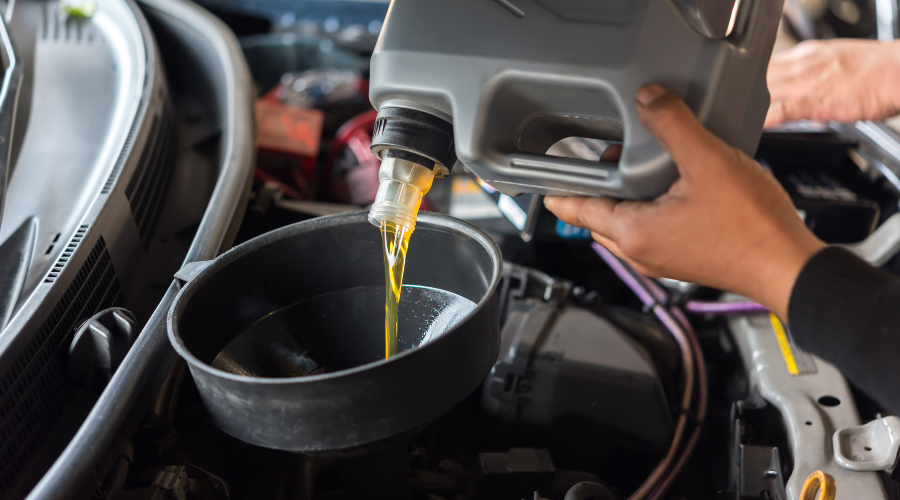
Lower the car back to the ground and open the hood. Remove the oil cap and use an oil funnel to pour in the recommended amount of engine oil. Always use the correct oil viscosity, such as 5W-30 or 0W-20, as specified in your owner’s manual.
Step 6: Check Oil Level and Inspect for Leaks
Start the engine and let it run for about 10 seconds to circulate the oil. Turn off the engine and check underneath for leaks around the oil filter and drain plug. After a few minutes, check the oil level using the dipstick and adjust if necessary.
After the Oil Change: What to Do Next
Once the oil change is complete, a few final checks ensure everything is functioning correctly, and your engine is fully protected.
How to Properly Check Engine Oil Level
Pull out the dipstick, wipe it clean, reinsert it fully, then remove it again. The oil level should fall between the minimum and maximum marks. If the level is low, add small amounts of engine oil and recheck until it reaches the proper level.
Resetting the Oil Change Indicator (If Applicable)
Many modern vehicles have a car oil change indicator or maintenance reminder. Refer to your owner’s manual to reset it correctly; this may involve a dashboard menu or a specific ignition sequence. Resetting the indicator helps you track your next oil change interval accurately.
Why Changing Car Engine Oil Is Important
Changing car engine oil is one of the most basic yet critical maintenance tasks for keeping your vehicle reliable, efficient, and long-lasting. Engine oil acts as the lifeblood of your engine, and neglecting regular oil changes can lead to performance issues and costly repairs. Understanding why oil changes matter helps you take better care of your car and avoid unnecessary breakdowns.
The Role of Engine Oil in Engine Performance
Engine oil lubricates moving engine components, reducing friction between parts like pistons, crankshafts, and bearings. This lubrication prevents excessive wear, controls engine temperature by carrying away heat, and helps keep internal components clean by trapping dirt and debris in the oil filter.
Fresh motor oil, whether synthetic engine oil or conventional oil, ensures smooth engine operation, better fuel efficiency, and consistent performance. Using the correct oil viscosity (such as 5W-30 or 0W-20) allows the engine to perform as designed in both hot and cold conditions.
What Happens If You Don’t Change Engine Oil on Time
Failing to change engine oil on time causes oil to break down and lose its protective properties. Over time, old oil becomes thick, dirty, and less effective at lubrication. This can lead to increased friction, overheating, sludge buildup, and accelerated engine wear.
In severe cases, neglected oil changes can result in oil starvation, engine knocking, or even complete engine failure, repairs that are far more expensive than a routine oil change.
When Should You Change Your Car’s Engine Oil?
Knowing when to change car engine oil is just as important as knowing how to do it. While modern engines are more efficient, oil change timing still depends on driving habits, oil type, and manufacturer recommendations. Paying attention to mileage, warning signs, and indicators helps maintain optimal engine health.
Lorem ipsum dolor sit amet, consectetur adipiscing elit. Ut elit tellus, luctus nec ullamcorper mattis, pulvinar dapibus leo.
Recommended Oil Change Interval (Miles & KM)
Most manufacturers recommend changing car engine oil every 5,000–7,500 miles (or 8,000–12,000 km) for modern vehicles, especially when using synthetic oil. Older cars or those using conventional engine oil may require oil changes every 3,000–5,000 miles.
Always check your owner’s manual for the exact oil change interval, as engine design and oil type play a major role in determining how often oil should be replaced.
Signs It’s Time for an Engine Oil Change
Your car often gives clear signals when it needs an engine oil change. Common signs include dark or gritty oil on the dipstick, increased engine noise, reduced fuel efficiency, or a burning oil smell. If the engine feels rough or louder than usual, it may be running with degraded oil that’s no longer protecting internal components effectively.
Understanding the Car Oil Change Indicator
Many modern vehicles are equipped with a car oil change indicator or dashboard warning light. This system monitors driving conditions, engine temperature, and mileage to estimate oil life. When the indicator appears, it’s a strong signal that an oil change service is due.
While helpful, this indicator should be used alongside regular oil level checks, not as a replacement for basic engine maintenance awareness.
Tools and Materials Needed to Change Car Engine Oil
Before starting a DIY oil change, having the right tools and materials ensures the process is safe, clean, and efficient. Proper preparation not only saves time but also helps prevent mistakes that could damage your engine or lead to oil leaks.
Essential Tools for a DIY Oil Change
To change car engine oil, you’ll need a basic set of tools commonly used in routine car maintenance. These include an oil drain pan to collect used oil, a socket wrench or ratchet to remove the drain plug, and an oil filter wrench for loosening the oil filter.
For safe access to the underside of the vehicle, use a jack and jack stands, or car ramps. An oil funnel, nitrile gloves, and safety glasses help keep the job clean and protect you from spills. Having the right tools makes changing engine oil at home straightforward and stress-free.
Choosing the Right Engine Oil and Oil Filter
Using the correct engine oil and oil filter is just as important as the tools themselves. Always select oil that meets your vehicle manufacturer’s specifications and pair it with a high-quality oil filter designed for your car model. A good filter traps contaminants and keeps fresh motor oil circulating cleanly through the engine.
How to Choose the Correct Engine Oil for Your Car
Not all engine oils are the same, and choosing the wrong one can negatively affect performance and longevity. Understanding oil types, viscosity, and quantity helps ensure your engine runs efficiently under all driving conditions.
Engine Oil Types (Synthetic vs Conventional)
There are three main oil types: synthetic engine oil, conventional engine oil, and synthetic blends.
- Synthetic oil offers better protection at extreme temperatures, lasts longer, and is ideal for modern engines.
- Conventional oil is more affordable but requires more frequent changes and is typically used in older vehicles.
Always follow your owner’s manual when deciding between synthetic vs conventional oil, as some engines require full synthetic oil.
Understanding Oil Viscosity (5W-30, 0W-20, etc.)
Oil viscosity determines how well oil flows at different temperatures. Ratings like 5W-30 or 0W-20 indicate cold-start performance and high-temperature protection. Using the recommended viscosity ensures proper lubrication, reduces engine wear, and improves fuel efficiency. The correct viscosity is usually listed in your owner’s manual or on the oil cap.
How Much Engine Oil Does Your Car Need?
The amount of engine oil required varies by engine size and design. Most cars need between 4 to 6 quarts, but this can differ. Overfilling or underfilling oil can harm engine components, so always check the owner’s manual and confirm the level using the dipstick after refilling.
Preparing Your Car for an Oil Change
Proper preparation is essential for a safe and successful car engine oil change. Taking a few minutes to set up correctly can prevent injuries and ensure the oil drains completely.
Safety Precautions Before Changing Engine Oil
Before starting, park the car on a flat surface, engage the parking brake, and let the engine cool. Hot engine oil can cause serious burns. Always wear gloves and safety glasses, and never work under a vehicle supported only by a jack; use jack stands for stability.
Positioning the Car and Accessing the Oil Pan
Raise the front of the car using car ramps or a jack and jack stands to access the oil pan underneath the engine. If your vehicle has an undertray, remove it carefully to expose the drain plug and oil filter. Proper positioning ensures smooth oil drainage and makes the entire process easier and safer.
How to Dispose of Used Engine Oil Safely
Proper disposal of used engine oil is an essential part of a responsible car engine oil change. Old oil contains harmful contaminants that can damage the environment and pose serious health risks if handled incorrectly. Disposing of oil the right way protects both your engine and the planet.
Environmental Risks of Improper Oil Disposal
Pouring used motor oil onto the ground, into drains, or into trash bins can contaminate soil and water supplies. Even small amounts of discarded oil can pollute large volumes of water, harming wildlife and ecosystems. Inhaling fumes or direct skin contact with used oil may also pose health concerns, making safe handling and disposal critical after every oil change.
Where to Recycle Used Engine Oil and Filters
Collect used oil in a sealed container and take it to an authorized recycling facility. Many auto parts stores, service centers, and municipal recycling sites accept used engine oil and oil filters at no cost. Recycling ensures oil is properly processed and reused, reducing environmental impact and supporting safe waste management practices.
Tips to Keep Your Engine Healthy After an Oil Change
An oil change doesn’t end once the engine is refilled. Simple post-maintenance habits help extend engine life, improve performance, and reduce the risk of future issues.
Maintaining Proper Oil Levels
Regularly check your engine oil level using the dipstick, especially before long trips. Low oil levels can increase friction and engine wear, while overfilling can damage seals. Keeping oil within the recommended range ensures proper lubrication and consistent engine protection.
Following a Consistent Oil Change Schedule
Sticking to a regular oil change interval, based on mileage, driving conditions, and oil type, keeps your engine running smoothly. Whether you use synthetic engine oil or conventional oil, timely oil changes prevent sludge buildup, reduce overheating, and help avoid costly engine repairs.
Conclusion
Knowing how to change car engine oil empowers you to make smarter decisions about vehicle maintenance. Whether you choose to change the oil yourself or rely on a professional service, timely oil changes are essential for engine health, performance, and longevity. Clean oil reduces friction, controls engine temperature, and prevents long-term damage that can cost far more than routine maintenance.
For drivers who value convenience and expert care, BattonWheels provides reliable oil change services in Dubai, ensuring your vehicle receives the right oil and proper inspection every time. Regular oil changes, done right, are one of the simplest ways to protect your car and drive with confidence.
FAQs
Most cars need an oil change every 5,000–7,500 miles or as recommended by the manufacturer.
Yes, with proper tools and safety steps, a DIY oil change is possible for many vehicles.
Old oil causes increased friction, overheating, and sludge buildup, and can lead to engine failure.
The best oil depends on your engine type; always follow the manufacturer’s recommended viscosity and oil grade.
Synthetic oil lasts longer, performs better in extreme temperatures, and offers superior engine protection.
A DIY oil change usually takes 30–60 minutes, while professional services are often quicker.
You can book expert oil change services through BattonWheels.